

Tanzania polls
By Shadrack Nyakoe
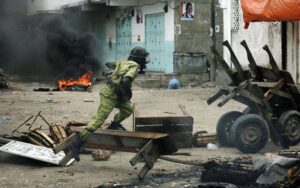
Tanzania’s general elections descended into chaos on Wednesday as groups of young voters stormed polling stations, vandalizing voting tents and scattering ballot materials in protest against what they called a “pre-determined” election.
Videos widely shared on social media showed protesters dismantling furniture and tearing down makeshift polling structures while chanting that no voting would take place. In one clip, a youth declares that the outcome is “already scripted,” capturing the growing frustration among young Tanzanians who accuse the government of staging an uncompetitive vote.
The unrest unfolded amid an unusually low voter turnout across several regions, signaling the impact of a nationwide boycott movement fueled by anger over the exclusion of opposition parties. Over the past week, the campaign — largely driven by young citizens — has gained momentum online and spilled into the streets as voting commenced.
President Samia Suluhu Hassan is expected to retain power with little opposition after most of her main challengers were either barred or imprisoned during the pre-election period. Although 17 presidential aspirants were officially cleared to contest, critics argue that the absence of the main opposition party, CHADEMA, has rendered the election meaningless.
CHADEMA leader Tundu Lissu remains in detention facing treason charges after calling for electoral reforms earlier this year. His deputy, John Heche, has also been arrested. The party has urged its supporters to boycott the polls, describing the vote as “a performance, not a contest.” Similarly, ACT Wazalendo’s candidate Luhana Mpina — once seen as a credible challenger — was removed from the ballot after a series of legal disputes, reinforcing perceptions of state manipulation.
Despite government assurances that the process remains lawful and peaceful, disillusionment runs deep among young voters who say promised reforms under President Suluhu have failed to materialize. “There is no real contest. We already know who the winner is,” said Dar es Salaam resident Godfrey Lusana. “Unless the electoral commission shows independence, there is no reason to vote.”
International observer missions from the African Union, SADC, the East African Community, and the Great Lakes region are monitoring the situation closely amid growing reports of disruptions and voter intimidation.
The day’s events amplify a deepening generational divide in Tanzania’s politics between youth demanding credible democracy and a ruling establishment that has remained unchallenged for more than three decades.